
Why Pest Activity Increases After Heavy Rain in Northwest Louisiana
Heavy rain doesn't just affect your yard — it can completely change the pest activity around your home.
After a major storm in Northwest Louisiana, it's common for homeowners to suddenly notice ants, cockroaches, centipedes, crickets, spiders, rodents, and other pests in places they weren't seeing them before. That's because storms flood nesting sites, increase moisture levels, and force pests to search for new shelter.
At Anti-Pest, we often see a surge in service calls within days of heavy rain events across Shreveport, Bossier City, Haughton, Blanchard, and surrounding communities. Rain doesn't just make your lawn soggy; it can displace entire pest populations, sending them in search of higher, drier ground. In many cases, that means your garage, crawl space, or living areas.
Here's why pest activity increases after heavy rain and which pests homeowners should watch for after a storm.
Which Pests Are Most Likely to Show Up After a Storm
After heavy rain in Northwest Louisiana, homeowners are most likely to notice:
- Fire ants and other ants
- Ground beetles
- Crickets
- Centipedes
- Earwigs
- Millipedes
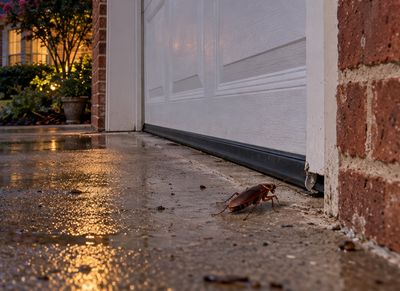
- Cockroaches
- Spiders
- Rodents
Flooded soil, increased moisture, and displaced insect populations all contribute to these post-storm pest surges. Some pests are driven out of their nesting sites, while others become more active because the damp conditions are exactly what they're looking for.
Why Storms Trigger So Much Pest Activity in Northwest Louisiana
Northwest Louisiana's climate creates the perfect setup for post-storm pest activity. Heavy rain can quickly saturate the soil, flood insect hiding places, and force pests to relocate. Even after the rain stops, warm temperatures and lingering humidity create favorable conditions for many insects and rodents.
That's one reason homeowners throughout Bossier, Caddo, and DeSoto Parishes often notice more pest activity after a major rain event. Storms don't necessarily create pest problems, but they can make existing populations much more visible and push pests closer to homes.
Fire Ants Relocate After Heavy Rain
Fire ants build their colonies underground, where heavy rain can quickly flood their tunnels and nesting areas. When that happens, the colony doesn't disappear — it relocates.
After a storm, homeowners often notice new mounds appearing in different parts of the yard, including near foundations, sidewalks, patios, and driveways. We frequently receive calls from homeowners who discover fire ant activity in areas that appeared pest-free before the rain.
If you notice new fire ant mounds after a storm, it's usually a sign that nearby colonies have been displaced and are rebuilding in drier areas.
What Happens to Ground-Dwelling Pests When the Soil Floods?
Fire ants aren't the only pests affected by saturated soil. Ground beetles, crickets, and centipedes all spend much of their time sheltering beneath rocks, mulch, leaf litter, and other protected areas. When heavy rain floods those hiding places, they begin searching for dry alternatives.
Ant activity may increase, too. When heavy rain floods nesting areas, ant colonies often relocate or expand their foraging activity, making ants more noticeable around foundations, patios, landscaping, and entry points.
Ground beetles are especially common post-storm visitors. Once displaced by wet conditions, they may wander into garages, crawl spaces, and occasionally living areas.
Crickets behave similarly. Damp conditions increase their activity around foundations and entry points. This is one of the most common reasons homeowners contact Anti-Pest after prolonged periods of wet weather.
Centipedes are a little different. They require moisture to survive, so the humid conditions that follow a storm are ideal for them. If rain drives their prey insects toward your home, centipedes often follow.
If you're suddenly finding bugs you don't normally see indoors after heavy rain, a recent storm is often the reason.
Moisture Surges Attract Pests That Were Already Nearby
A major storm doesn't just displace pests from the ground. It also changes the conditions around your home in ways that attract more of them.
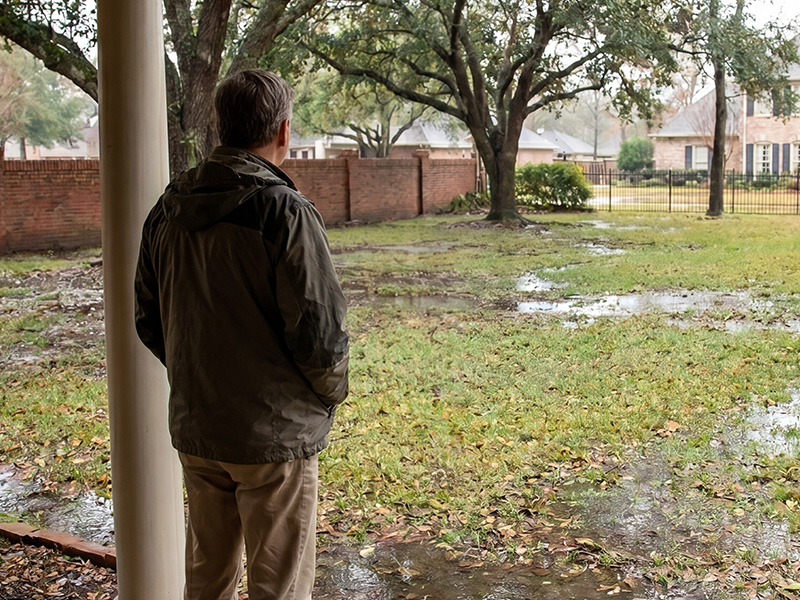
Standing water may collect near the foundation. Mulch beds become saturated. Crawl spaces become damp. Humidity levels rise. All of these changes create favorable conditions for moisture-loving pests.
For pests like cockroaches, earwigs, and millipedes, that post-storm environment is exactly what they're looking for. Cockroaches thrive in warm, humid conditions, while earwigs and millipedes are attracted to damp landscaping, wet mulch, and areas that stay moist long after the rain ends.
We also tend to see increases in spider service calls following heavy rain events, when insect activity around foundations, garages, and entry points increases.
Rodents can become more active after heavy rain as well. When outdoor burrows flood, mice and rats start looking for dry shelter. Garages, attics, crawl spaces, and wall voids are all attractive options.
Homes with poor drainage, dense landscaping, excessive mulch, or persistently damp crawl spaces often experience more post-storm pest activity than homes that dry out quickly.
The point isn't to panic after every storm. It's simply to understand that heavy rain changes the environment around your home in ways that often lead to increased pest activity.
Why Ongoing Pest Control Matters More Than a One-Time Fix
If you're reacting to pest problems after every storm, you're always one step behind.
A one-time treatment may reduce the pests you're seeing today, but it won't help much when the next round of heavy rain arrives. The conditions that drove those pests toward your home are still there.
That's why many Northwest Louisiana homeowners choose ongoing pest control services. Anti-Pest's Pest Plan is designed to provide year-round coverage against the pests most likely to invade homes in our area. Quarterly exterior treatments help create a protective barrier around your foundation and common entry points. When storms push pests toward your home, they're encountering treated areas rather than an unprotected structure.
The plan covers more than 20 common pests, including fire ants, ground beetles, crickets, centipedes, earwigs, millipedes, spiders, cockroaches, and rodents. And with our Pest-Free Guarantee, if covered pests show up between visits, we'll return at no additional charge.
We've been protecting homes throughout Caddo and Bossier Parishes since 1950. Storms are simply part of life in Northwest Louisiana. Pest problems afterward don't have to be.
Frequently Asked Questions About Storms and Pest Activity
Why do I suddenly see ants where I never saw them before?
Heavy rain can force ant colonies to relocate. Colonies that were previously hidden in landscaping, wooded areas, or other parts of the yard may move closer to your home after a storm. That's why homeowners sometimes notice ant activity in completely new locations following periods of heavy rain.
Why do some homes experience more pest activity after storms than others?
Properties with poor drainage, heavy vegetation, dense mulch, standing water, or damp crawl spaces often create more favorable conditions for pests after a storm. Homes that dry out quickly generally experience less post-storm pest pressure.
Should I spray around my house after a big rain?
Most over-the-counter sprays provide only short-term results and may wash away quickly in wet conditions. Professional treatments provide longer-lasting protection and are part of a broader pest management strategy that addresses recurring pest pressure.
Does standing water in my yard attract mosquitoes after a storm?
Yes. Even small amounts of standing water — in plant saucers, clogged gutters, tarps, or low spots in the lawn — can become mosquito breeding sites within days. For ongoing mosquito control, Anti-Pest offers a dedicated mosquito reduction program.
Keep Your Home Protected After Heavy Rain
Heavy storms are a fact of life in Northwest Louisiana, and increased pest activity often follows close behind. Whether it's fire ants rebuilding mounds, cockroaches seeking moisture, or rodents looking for dry shelter, storms can quickly change the pest pressure around your home.
If you're tired of dealing with pest surges after every major rain event, contact Anti-Pest today. Our team has been protecting homes throughout Shreveport-Bossier and surrounding communities since 1950.

Testimonials


Our Services


News, Blogs, & Articles
Anti-Pest Blog