
Why Earwigs Keep Showing Up in Your Shreveport Home
You find an earwig beneath the bathroom vanity. A few days later, another appears near the washing machine. Seeing one is unsettling. Finding several makes you wonder where they are coming from and whether more are hiding nearby.
Anti-Pest has helped homeowners in Shreveport and Bossier City with earwig problems since 1950. These moisture-seeking pests often become more noticeable indoors during the summer, when heat and fluctuating moisture levels draw them closer to the house.
Earwigs are not dangerous, and they do not damage the structure. However, repeated sightings usually mean they have found an easy way inside.
Those Pincers Look Worse Than They Are
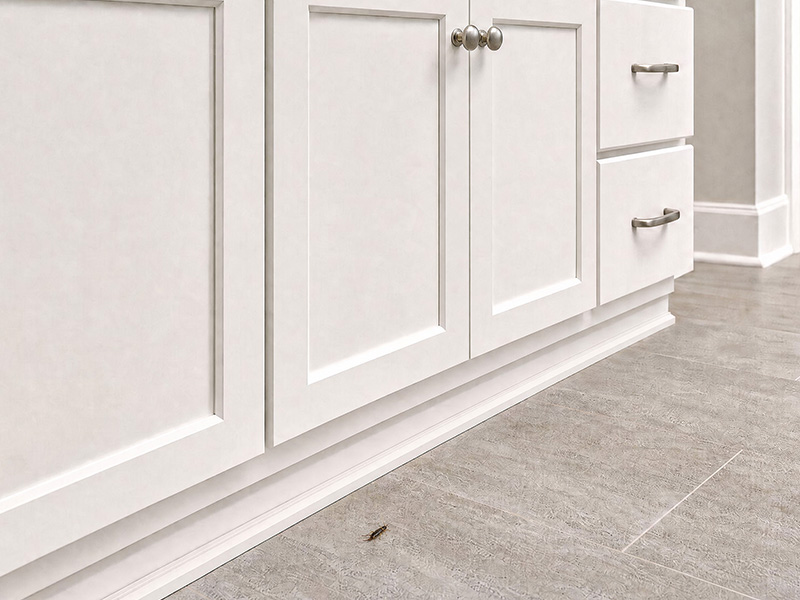
Earwigs are easy to recognize by the pair of pincers at the back of their bodies. Although those forceps make them look threatening, earwigs do not sting and are not venomous. They may pinch if handled, but they are not considered dangerous to people or pets.
The story that earwigs crawl into people’s ears and burrow into their brains is a myth. Most homeowners simply find them unpleasant because of their appearance and the places they turn up indoors.
For more details about their appearance, habits, and potential plant damage, visit our earwig identification page.
Why Summer Conditions Push Earwigs Toward Your House
Earwigs need sheltered areas that retain moisture. During the day, they commonly hide beneath mulch, leaf litter, landscape timbers, flowerpots, stones, and other objects that protect them from heat and direct sunlight.
Summer weather can disturb the protected places where earwigs normally hide. Heavy rain may push them out of saturated soil and ground cover, while intense heat can cause exposed areas to dry quickly between storms. In either situation, earwigs may move toward shaded, humid areas along the foundation.
The areas immediately around a house can provide those conditions. Earwigs may gather beneath doormats, behind planters, under damp debris, beside the foundation, or near exterior plumbing and air-conditioning lines.
From there, they can enter through:
- Gaps beneath exterior doors
- Worn weather stripping
- Openings around pipes and utility lines
- Cracks near the foundation
- Gaps around crawl-space access points
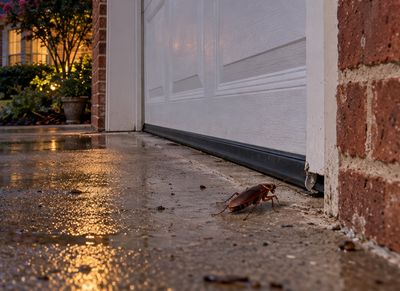
- Corners of garage-door seals
Where Earwigs Turn Up Inside
Because earwigs like moisture and usually enter near ground level, they tend to show up in predictable areas, such as beneath bathroom vanities, around tub and shower plumbing, behind washing machines, near utility hookups, and under kitchen sinks. They may also appear around exterior door thresholds, crawl-space access points, baseboards, and rooms located directly above a crawl space.
Garages can provide an entry point, particularly where the bottom seal of the garage door does not sit tightly against the floor.
Earwigs are primarily active at night. Seeing one or two indoors does not necessarily mean a large infestation is hiding in the house. Repeated sightings over several days or weeks are more likely to indicate ongoing outdoor activity and an opening that is allowing them inside.
Are Earwigs a Sign of a Bigger Problem?
Earwigs do not cause the kind of structural damage associated with termites, carpenter ants, or rodents. They also do not typically reproduce throughout a home the way German cockroaches can.
However, the same damp areas and small openings can also lead to centipedes, millipedes, pill bugs, and other moisture-loving pests getting inside. Learn more about why moisture pests keep showing up in Louisiana homes.
Why Indoor Sprays Do Not Solve the Problem
Treating the earwigs you see indoors only addresses the insects that have already entered. It does not address the damp hiding areas or small openings that allow more earwigs inside.
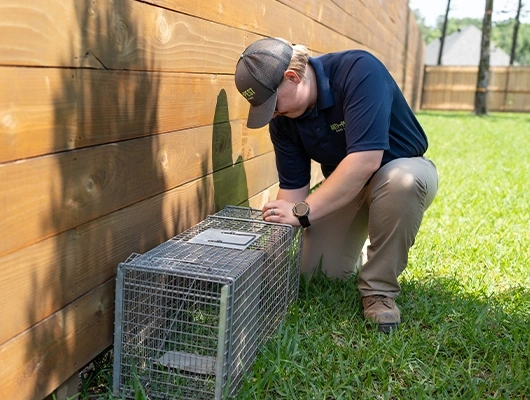
Effective earwig control begins around the exterior of the home. That means identifying where moisture is collecting, locating likely entry points, and treating the areas where earwigs live and move before they can get inside.
How Anti-Pest Controls Earwigs
Anti-Pest’s residential Pest Plan covers earwigs in Shreveport, Bossier City, and surrounding Northwest Louisiana communities. It also protects against centipedes, millipedes, spiders, pill bugs, crickets, and many other common household pests.
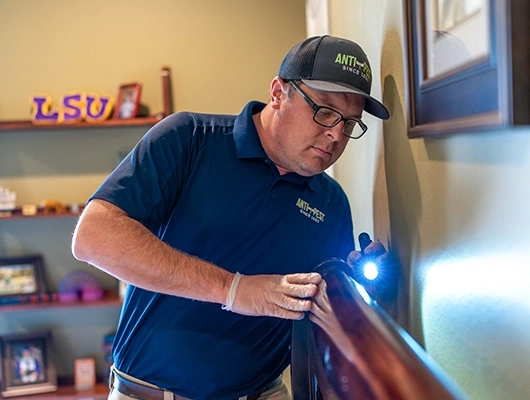
Service begins with an inspection of the home and surrounding property to determine where earwigs are active and how they are getting inside. We treat areas of indoor activity as needed and apply an exterior treatment to reduce earwigs and other pests before they enter the home.
Quarterly service helps keep that protection in place as pest activity changes throughout the year.
Frequently Asked Questions
How long can earwigs survive indoors?
Earwigs may survive indoors for several days, especially if they find a damp place to hide. Most homes do not provide the moisture they need for long-term survival, so repeated sightings usually mean more are still entering from outside.
Do earwigs come through drains?
Earwigs found near sinks, tubs, or washing machines are not usually coming up through the drain. They are more likely to enter through gaps around plumbing lines, beneath exterior doors, through cracks near the foundation, or through other small openings before moving toward a damp area.
Should I remove mulch if I have earwigs?
You do not need to remove all your mulch. Keep it several inches away from the foundation, avoid piling it too deeply, and correct areas that remain constantly wet.
Tired of Finding Earwigs in Your Home?
If earwigs keep appearing in your bathroom, laundry room, or other areas of the house, Anti-Pest can identify where they are coming from and recommend the right treatment.
Contact us for a free earwig control quote.

Testimonials


Our Services



News, Blogs, & Articles
Anti-Pest Blog