
Rodents in Shreveport & Bossier City: Rats, Mice, Signs, and Control
In the Shreveport–Bossier area, rodent problems often start the same way.
A homeowner hears scratching in the attic late at night. Someone finds small droppings in the pantry or laundry room. Sometimes it begins with quick scurrying sounds inside the walls or ceiling.
When people contact Anti-Pest, the message is usually something like:
"We think something might be in the house."
In Northwest Louisiana, that “something” is often rats or mice. Once rodents get indoors, they can contaminate food, damage insulation, chew wiring, and create ongoing stress for homeowners and facility managers.
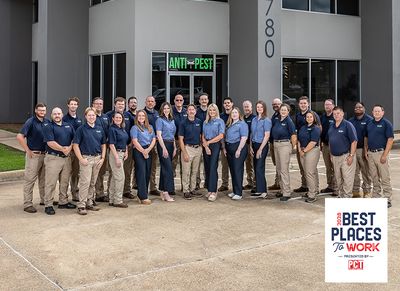
Anti-Pest has been serving property owners in Shreveport and Bossier City since 1950. As a locally owned, family-operated company, our team has decades of experience identifying where rodents enter homes and buildings and how to manage rodent activity around the property.

What This Guide Covers
- The most common rodents in Shreveport and Bossier City
- Signs that rats or mice may already be inside
- Where rodents commonly hide inside homes
- Why rodents enter houses — and why they sometimes return
- Steps property owners can take to reduce rodent activity
- How Anti-Pest manages rodent activity for homes and businesses in Northwest LA
Common Rodents Found in Shreveport & Bossier City
Several rodents live throughout Northwest Louisiana, but most indoor infestations involve one of three species.
Roof Rats (Black Rats / Ship Rats)
Roof rats are one of the most common attic invaders in this area.
They are strong climbers and often enter homes through rooflines, soffits, or small gaps along the exterior. Once inside, they commonly nest in:
- Attic insulation
- Upper wall voids
- Garage ceilings
- Storage areas
If activity is happening above the ceiling at night, roof rats are often responsible.
Norway Rats (Brown Rats / Sewer Rats)
Norway rats usually stay closer to the ground.
They are more likely to appear around:
- Foundations
- Crawl spaces
- Garages
- Lower levels of homes
They are also strong burrowers and may dig along foundations or under slabs.
House Mice
House mice are smaller than rats but can become bigger problems over time because they reproduce quickly and adapt easily to indoor environments.
Common nesting locations include:
- Behind appliances
- Inside cabinets
- Attic insulation
- Wall voids
Mice can squeeze through very small openings, allowing them to access parts of a home that appear sealed.
Where Rodents Hide Inside Homes
Rodents rarely stay in just one place once they enter a structure. Depending on the species and access points, they may nest or travel through several parts of the home.
Common indoor hiding places include:
Attic
Warm insulation and quiet spaces make attics a common nesting area.
Wall voids
Rodents frequently travel through walls using plumbing or wiring paths.
Garage
Stored boxes, clutter, and pet food make garages an attractive shelter.
Laundry room and utility areas
Open plumbing areas and drains can provide entry points.
Kitchen and pantry
Food sources quickly attract mice and rats once they are inside.
Many homeowners first notice rodent activity at night, when scratching or running sounds become easier to hear. If you suspect rats or mice inside your home, Anti-Pest can inspect the property, identify entry points, and create a plan to remove rodents and help prevent future activity.
Signs You May Have Rodents
Sometimes homeowners never see the animal itself. Instead, they notice clues that rodents are active somewhere in the house.
Common warning signs include:
- Small droppings in cabinets, laundry rooms, or pantries
- Scratching or scampering sounds in ceilings or walls
- Chewed food packaging or stored items
- Nesting material such as shredded insulation or paper
If you’re trying to confirm activity, check out our post about the signs of mice in homes.
Why Rodents Get Into Homes
Rodents usually enter homes for three main reasons.
Access
Rats and mice are skilled at finding entry points around a structure.
Common access areas include:
- Gaps along rooflines or soffits
- Openings around plumbing pipes
- Garage door gaps
- Crawl space vents
Many of these openings are smaller than homeowners expect rodents to use.
Food
Once rodents discover food sources, they tend to return.
Common attractants include:
- Pet food bowls
- Bird seed
- Pantry goods stored in cardboard packaging
- Trash containers that do not seal well
- Fallen fruit around the yard
Shelter and Nesting Areas
Rodents also look for quiet places to build nests.
Inside homes this may include:
- Attic insulation
- Cluttered storage areas
- Wall voids
- Garages with stacked boxes
Outside the home, dense vegetation or debris near the structure can also provide shelter close to the house.
Why Rodents Keep Coming Back
Many homeowners try traps or store-bought rodent bait first. Sometimes these methods catch a few mice or rats, but activity often returns.
That usually happens because the underlying conditions that allow rodents to enter the property are still present.
Rodent problems can continue when:
- Entry points around the home remain open
- Nesting areas inside the structure are not addressed
- Food sources are still accessible
- New rodents move onto the property
If you’ve already tried DIY solutions without lasting results, this article explains why DIY rodent control often doesn’t solve the problem.
How Anti-Pest Handles Rodent Control in Shreveport-Bossier

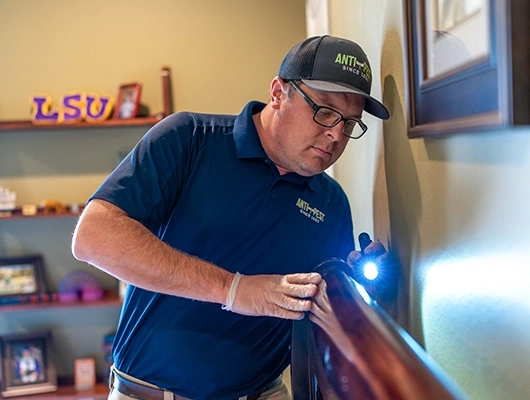
Effective rodent control begins with a thorough inspection of the property.
During a rodent inspection, Anti-Pest technicians look for several key indicators, including:
- Signs of rodent activity, such as droppings or gnaw marks
- Areas where rodents may be nesting
- Gaps or openings around the structure that rodents could use to enter
- Conditions that may attract rodents to the property
Common access points can include rooflines, attic vents, plumbing openings, garage door gaps, and cracks along the foundation. Some of these entry points are small or located in areas that are difficult to see during a quick visual check.
After the inspection, a targeted plan may include:
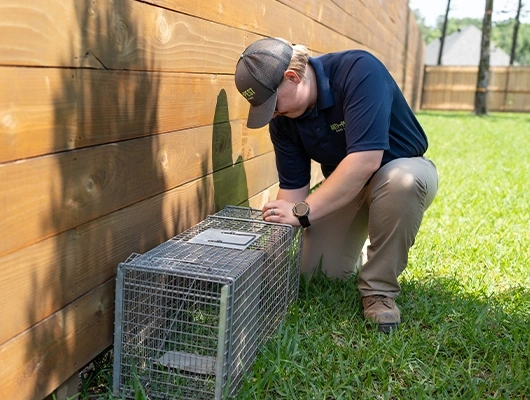
- Strategic trapping
- Monitoring devices
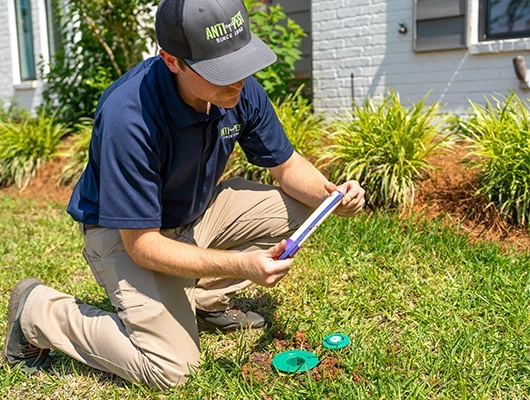
- Rodent bait stations placed in key areas around the property
Because rodents are active year-round in Northwest Louisiana, many homes benefit from ongoing pest control treatments that help monitor and manage rodent activity over time.
Learn more about Anti-Pest’s residential pest control services.
Steps Property Owners Can Take to Reduce Rodent Activity
While professional treatment addresses active rodent problems, residents can also take steps to make their homes less attractive to rodents.
Helpful maintenance steps include:
- Storing pantry items and pet food in sealed containers
- Reducing clutter in garages and storage areas
- Trimming vegetation away from the exterior of the home
- Keeping trash containers closed and secure
These steps will not eliminate rodents on their own, but they can help reduce attractants and support long-term rodent management.
Rodent Problems in Homes vs Businesses
Rodents can create problems in both residential and commercial properties, but the risks often look different depending on the setting.
Homes
In residential properties, rodents often cause issues such as:
- Damage to attic insulation
- Pantry contamination
- Chewed electrical wiring
- Noises in attics or walls that disrupt sleep
Because rodents can hide inside wall voids, attics, and garages, infestations sometimes go unnoticed until activity becomes more obvious.
Businesses
For businesses, rodent activity can create additional concerns, especially in buildings that store or prepare food.
Potential risks include:
- Product contamination
- Health inspection issues
- Damage to stored materials or equipment
- Customer complaints or negative reviews
In some cases, serious infestations may even lead to temporary shutdowns or lost revenue while the issue is resolved.
Businesses seeking ongoing rodent and pest protection can learn more by visiting our commercial pest control services page.
Need Help With Rodents?
If you’re hearing scratching in the attic, finding droppings in the kitchen or laundry room, or noticing other signs of rats or mice inside the home, it’s best to address the issue early before it turns into a larger infestation.
Anti-Pest has been helping homeowners manage rodent problems in Northwest Louisiana since 1950. As a locally owned, family-operated company, our team understands the kinds of rodent issues that commonly affect homes in this area.
Homeowners looking for local service can learn more about our pest control programs in Shreveport or Bossier City, including options that eliminate and prevent rodent activity throughout the year.
You can also contact the Anti-Pest team to schedule an inspection and find out the best way to handle rodent activity around your home.

Testimonials


Our Services


News, Blogs, & Articles
Anti-Pest Blog