
Where Do Roaches Come From?
If you’ve seen a cockroach in your house, it’s normal to wonder: “Where did that come from?” Roaches don’t appear out of thin air—they usually enter homes for the same three reasons: they’re looking for water, easy food, and a protected place to hide.
The helpful part is this: once you know the most common “source paths,” you can usually narrow down how they got in and what to do next. In many cases, there’s a clear entry point — it just isn’t always obvious at first glance.
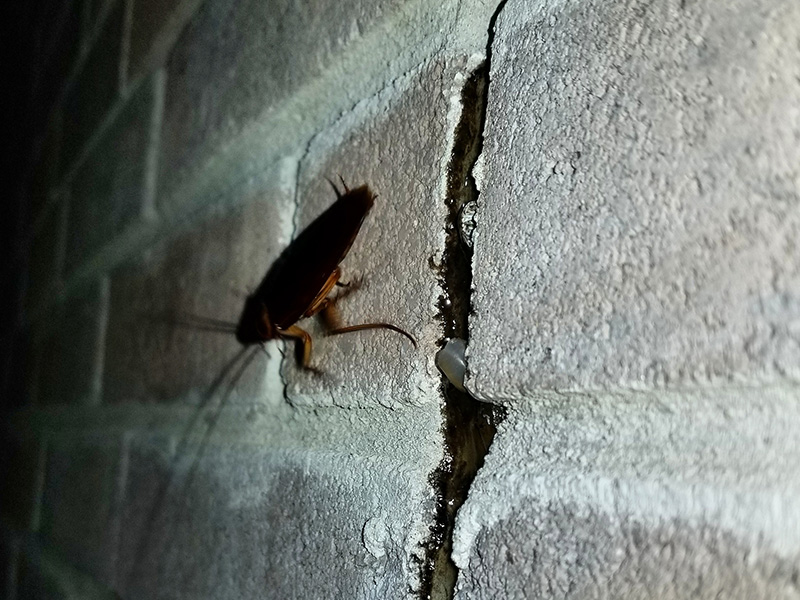
Quick Answer: Where Do Roaches Come From?
Roaches usually come from outdoor areas, plumbing systems, cardboard boxes, or nearby structures. They enter Louisiana homes through small gaps around doors, windows, foundations, and pipes as they search for moisture, food, and shelter. Even clean homes can attract cockroaches if water sources or entry points are available.
Let’s break down exactly how this happens in homes across Shreveport, Bossier City, and Northwest Louisiana.
The Four Most Common Ways Roaches End Up Inside
1) They Wander in From Outside
In Shreveport–Bossier and across Northwest Louisiana, warm, humid conditions make yards, mulch beds, wood piles, and damp shaded areas comfortable hangouts for certain roaches. When outdoor conditions push them to seek steadier moisture or easy food, your home can become the next stop—especially around doors, garages, and the foundation.
Quick checks:
- Look for gaps at the bottom corners of exterior doors (including the garage entry door)
- Check weep holes, cracked caulk, and where siding meets the foundation
- Reduce clutter stored right against exterior walls
2) They Come in Through Plumbing and Drains
Some roaches are strongly tied to moisture. If you’re seeing them near bathrooms, laundry rooms, utility spaces, or sinks, the “source” may be damp areas and plumbing entry points rather than the living room floor.
Quick checks:
- Under-sink areas for slow leaks, damp cabinet floors, or condensation
- Gaps around pipes under sinks and behind toilets
- Floor drains and rarely used drains (especially if water traps dry out)
3) They Hitchhike in on Boxes and Deliveries
Roaches are excellent stowaways. Cardboard is warm, easy to hide in, and often stored in exactly the places roaches like (garages, pantries, storage rooms). This is one of the most common “How did they get in?” answers—especially for smaller roaches.
Quick checks:
- Don’t store cardboard long-term in garages or utility rooms
- Unpack pantry items and dispose of boxes quickly
- Vacuum crumbs in pantry corners and under appliances
4) They Migrate From a Nearby Unit or Structure
If your home shares walls (townhome, duplex) or you’re near older sheds or structures, roaches can move as conditions change—especially if one spot becomes less welcoming (repairs, weather shifts, renovations). In those situations, you might be doing everything “right” and still see activity.
Quick checks:
- Focus on sealing shared-wall penetrations (pipes, cable lines)
- Keep kitchens and bathrooms extra dry and crumb-free
- If activity persists, it’s usually time for a professional plan
“Which Roach Is It?” Clues Based on Where You’re Seeing Them
Anti-Pest commonly discusses and treats these roach types in the area, and location clues can help you narrow the likely source:
German cockroaches
If you’re seeing smaller roaches mostly in kitchens and bathrooms (especially near sinks, appliances, and cabinets), German roaches are a common suspect. They’re closely tied to indoor food and moisture.
American cockroaches
If the roach is larger and shows up in garages, near entry doors, or around damp utility areas, American roaches are often associated with outdoor-to-indoor wandering and moisture-adjacent entry points.
Oriental cockroaches
If sightings cluster around cool, damp areas (under sinks, low areas, utility rooms), Oriental roaches often track closely with moisture.
Smokey brown cockroaches
If you’re noticing activity around humid exterior areas, garages, or entry points near vegetation or clutter, smokey brown cockroaches are commonly tied to outdoor harborage and humidity.
If You’re Seeing Roaches in One Specific Area, Here’s What It Usually Means
Sometimes the location tells you more than the roach itself. Where you’re seeing activity can point to the most likely entry source.
- Kitchen at night: This often signals access to indoor food and moisture, especially around sinks, appliances, or pantry areas.
- Garage near an entry door: This commonly suggests an exterior gap or door sweep issue that’s allowing roaches to wander in from outside.
- Bathroom or toilet area: Repeated sightings here typically point to plumbing access or excess moisture under sinks, behind toilets, or around drain lines.
- After heavy rain: Increased activity following storms often indicates outdoor hiding areas were disrupted, pushing roaches to seek drier shelter inside.
If you’re noticing a pattern but can’t pinpoint the entry source, a professional inspection can help identify hidden gaps or moisture issues before the problem grows.
What to Do This Week to Reduce New Roaches
You don’t need to overhaul your life—small changes can make a big difference:
- Fix moisture first: address drips, slow leaks, and damp cabinet bases
- Clean the “quiet crumbs”: under the stove and fridge, pantry corners, pet feeding areas
- Reduce hiding spots: limit cardboard storage, especially in garages and utility spaces
- Seal the easy routes: door sweeps, weatherstripping, and gaps around plumbing penetrations
If you want a deeper look at where they hide once they’re inside (and why you usually see them at night), Anti-Pest has a helpful guide: Where Do Cockroaches Hide During The Day
If you’d rather skip the trial-and-error process, Anti-Pest’s trusted pest professionals are here to help with proven treatments for homes in Shreveport and Bossier City.
When It Makes Sense to Call Anti-Pest
If roaches continue to appear despite sealing gaps and reducing moisture, the issue may be deeper within walls, plumbing lines, or hidden voids. Anti-Pest provides year-round home pest control service in the Shreveport–Bossier area to eliminate active infestations and help prevent future ones. A professional inspection can identify the source, and professional treatment can stop the cycle. Schedule your inspection today and get clarity on where they’re coming from.
Frequently Asked Questions About Where Roaches Come From
Do roaches mean my house is dirty?
Not necessarily. Roaches are opportunists. Moisture, gaps, and easy hiding spots can be enough—even in a well-kept home.
Why do I usually see them at night?
Roaches are most active when it’s dark and quiet, which is why midnight kitchen sightings are so common.
Why do I keep finding roaches in my toilet?
Cockroaches can enter through plumbing systems, especially in humid climates. Some species are attracted to moisture and may travel through sewer lines or drain pipes. If the water trap in a drain dries out or there are gaps around plumbing connections, it can create an entry point.

Testimonials


Our Services

News, Blogs, & Articles
Anti-Pest Blog