
Summer Mice and Rats: Why They Move Into Shreveport Homes
There is plenty for mice and rats to eat outside during a Shreveport summer. Seeds, insects, fruit, gardens, bird feeders, pet food, and unsecured trash can all provide an easy meal.
So why would a rodent move into your home?
Food may not be what brings it inside.
When the summer heat settles over Northwest Louisiana, a house can offer a break from the heat, dependable water, and a quiet place to hide. If a mouse or rat finds food once inside, that is one more reason to stay.
In Shreveport, summer brings its own reasons for mice and rats to move closer to homes—and more opportunities for them to find a way inside.
Shreveport Summers Change Where Rodents Spend Their Time
Shreveport summers are consistently hot and humid. Long periods of high temperatures are common, although rainfall can vary from heavy storms to drier stretches later in the season.
Mice and rats already living around a neighborhood have to adjust to those conditions. They may spend more time beneath sheds, decks, thick landscaping, or other shaded areas. Garages, crawl spaces, storage rooms, and wall voids may offer another place to escape the heat.
Water can also become more valuable during hot weather. A leaking outdoor faucet, pet bowl, irrigation system, plumbing leak, or air-conditioning drain line may provide a source rodents can return to regularly.
Summer storms can affect rodent activity, too. Heavy rain may disturb low-lying burrows or nesting areas. Landscaping, construction, tree removal, and cleanup on a nearby property can have a similar effect.
When those changes disturb an area, mice and rats may begin moving through nearby properties. That can bring them closer to garages, crawl spaces, sheds, and other parts of the home.
Rodents May Already Be Living Close to the House
A mouse or rat that enters your home may not have traveled far. It could already be living somewhere around the property.
Around Shreveport homes, rodents may spend time near:
- Sheds and detached garages
- Fences and drainage areas
- Woodpiles and stored materials
- Thick shrubs and ground cover
- Mature trees with branches near the roof
- Outdoor kitchens, grills, and trash storage areas
These areas give rodents shade and cover as they move through the yard. They can also bring roof rats, Norway rats, and house mice closer to the structure. LSU AgCenter identifies all three as rodents that may require control around buildings in Louisiana.
A rodent may not approach the house because it has run out of food. It may come closer because the property offers a better place to spend the hottest part of the day or a reliable water source.
Food around the property can keep rodents coming back once they are there. Grease left on a grill, spilled birdseed, pet food in the garage, or fruit on the ground may all encourage activity close to the house.
The Problem Changes When They Find a Way Inside
Rodents can live around a property without ever entering the house. The situation changes when they discover an opening.
It does not have to be obvious. Mice can use very small gaps, while rats may take advantage of worn or damaged areas around the structure.
Common trouble spots include:
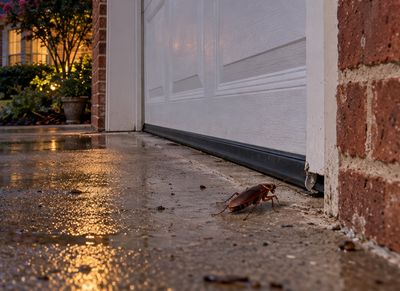
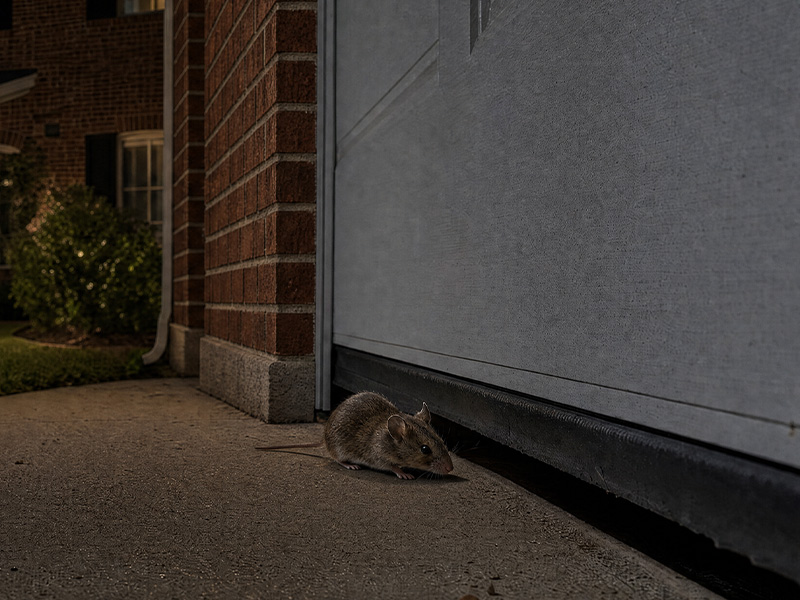
- Gaps beneath garage and exterior doors
- Openings around pipes, cables, and utility lines
- Damaged crawl-space or attic vents
- Gaps along soffits, foundations, and roof edges
- Worn weather stripping, damaged screens, or loose building materials
Roof rats are especially good climbers. A tree branch, fence, utility line, or nearby structure may help them reach the roof. Norway rats are more likely to stay near ground level and may burrow around foundations, sheds, vegetation, or garbage areas.
The opening a rodent uses may be nowhere near the place where a homeowner notices activity. A roof rat can enter high on the structure and move through an attic or wall. A mouse may slip beneath a garage door, travel behind stored items, and eventually reach the kitchen.
That is why finding a rodent in one room does not necessarily tell you where the problem began.
Once Inside, Rodents Have Little Reason to Leave
Getting inside is only the first step. What rodents find there may convince them to stay.
Wall voids, cabinets, storage rooms, attics, crawl spaces, and spaces behind appliances can give them quiet places to rest or nest. Water may be available beneath a sink, near a leaking appliance, or around plumbing lines. Cardboard, paper, insulation, and fabric can provide nesting material.
Food also becomes easier to find. A rodent that entered for a cooler hiding place may discover an open bag of pet food, pantry goods, crumbs beneath an appliance, or garbage it can reach every night.
Once a rodent finds all of that inside, it has little reason to leave.
A Summer Visitor May Not Leave When Summer Ends
Summer rodent activity does not necessarily end when temperatures begin to ease.
Once mice or rats establish a route through a home, they may continue using it. If the opening remains and the conditions inside still work for them, there is no reason for them to move back outdoors.
Mice and rats reproduce quickly once they have food and a safe place to nest. Warmer months can support more breeding and population growth outdoors, and a problem that begins with one or two rodents can grow into a much larger infestation in a relatively short time.
Rodents may also contaminate stored food and surfaces with urine or droppings. They can gnaw on packaging, insulation, wood, plastic, and electrical wiring. The CDC warns that rodent waste can spread disease and advises against sweeping or vacuuming dry droppings before they have been properly disinfected.
Hearing scratching after dark, finding droppings, or noticing damage to food packages may mean rodents have already settled in. Anti-Pest’s guide to the signs of mice explains what Shreveport homeowners may notice when activity is happening inside.
Local Rodent Control From Anti-Pest
Since 1950, Anti-Pest has protected homes in Shreveport and nearby communities, including Bossier City, Haughton, and Stonewall. As a local, family-owned company, we know mice and rats do not disappear when summer arrives. Our year-round home pest control services address rodents and other household pests found in and around homes in Northwest Louisiana.
If you have seen a mouse or rat, heard movement inside a wall, or noticed other signs of rodent activity, Anti-Pest can help.

Testimonials


Our Services


News, Blogs, & Articles
Anti-Pest Blog